
Home / Our Services / Physiotherapy / Cupping & Dry Needling Therapy
Dry Needling & Cupping Therapy Vadodara
Manage muscle tightness and movement-related discomfort with personalised physiotherapy at Shree Physio. Our Dry Needling & Cupping Therapy Vadodara services use specialised techniques to address selected muscle concerns and support your rehabilitation goals. Treatment is planned according to your symptoms, assessment, and individual needs.
What Is Cupping and Dry Needling Therapy?
Understanding Cupping Therapy
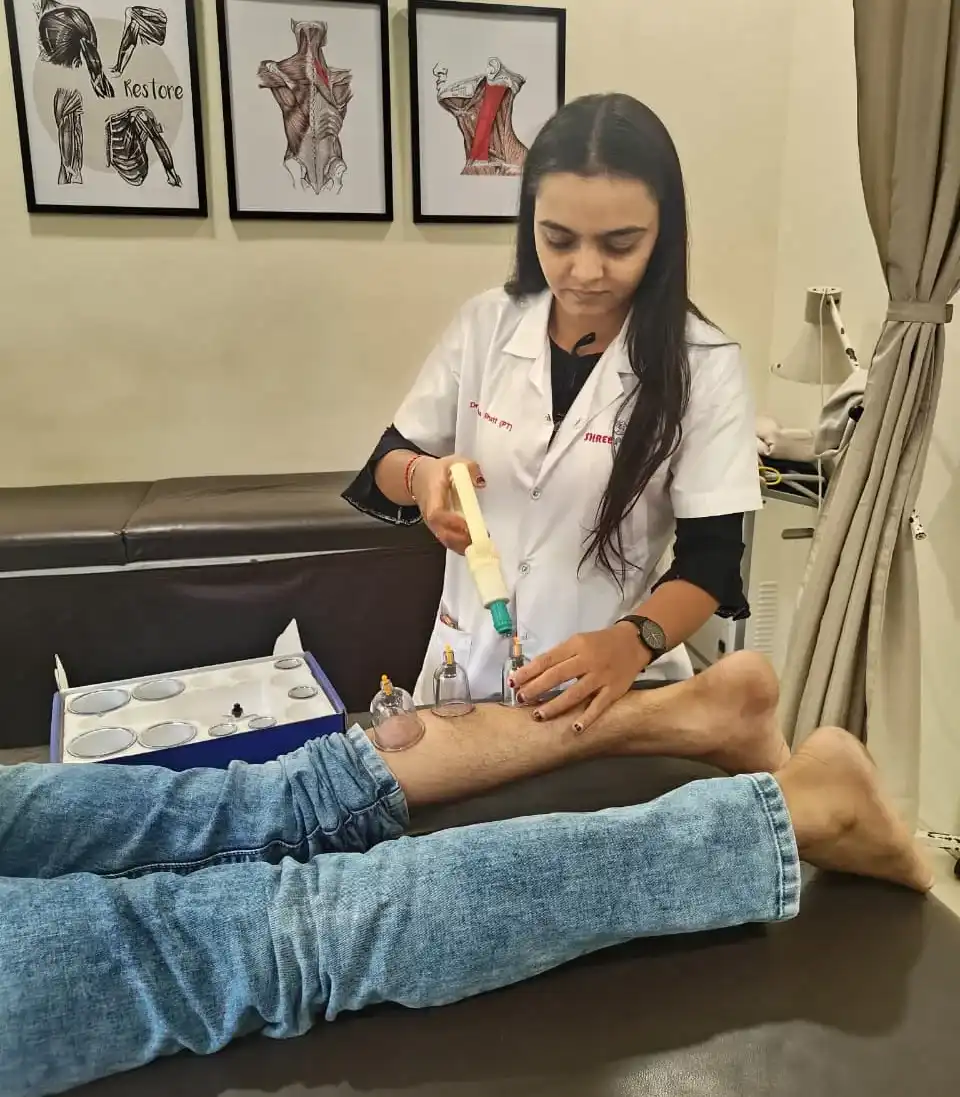
Cupping therapy involves placing specialised cups on the skin to create suction. This technique may temporarily affect blood flow and produce a pulling sensation in the treated area. It is used as a supportive approach for selected muscle-related concerns.
Understanding Dry Needling
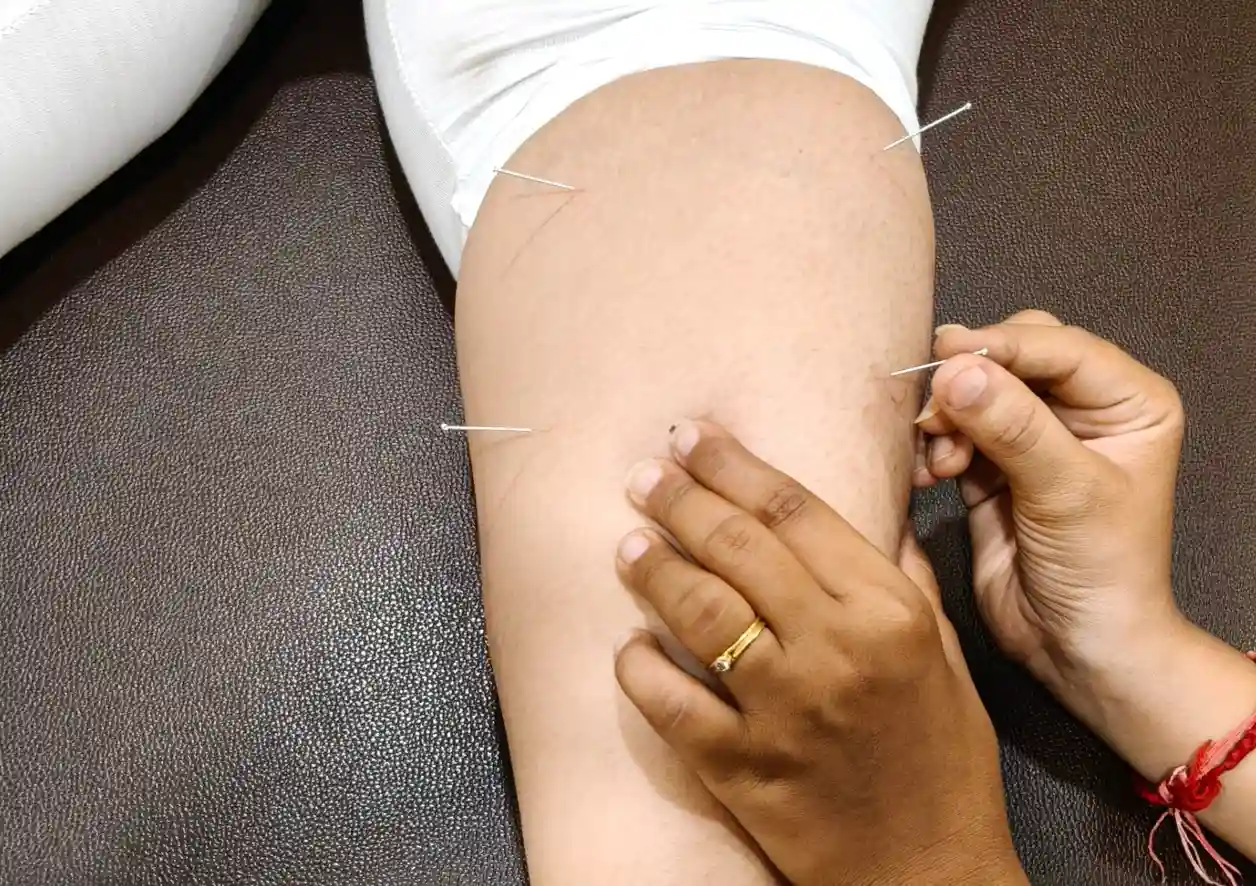
Dry needling involves inserting fine, sterile, single-use needles into selected muscle trigger points. It is used by trained practitioners to address muscle tension and movement-related discomfort. It is different from acupuncture, as its approach is based on musculoskeletal assessment.
At Shree Physio, Dry Needling & Cupping Therapy Vadodara is considered according to your condition and treatment goals. People exploring cupping and needle therapy in Vadodara can receive guidance on whether one technique or a combination may be appropriate.
These techniques may be included in a wider physiotherapy plan involving exercise, movement training, and other suitable interventions.
Conditions We Treat
-
Muscle Stiffness and Muscle Spasms
Cupping therapy may be considered as a supportive physiotherapy technique for muscle stiffness and spasms. It may help manage muscle tightness and support comfortable movement as part of an individual treatment plan.
-
Heel Pain
Dry needling may be considered for selected muscular concerns associated with heel pain. Treatment depends on the underlying cause, clinical assessment, and individual rehabilitation requirements.
-
Chronic Neck and Shoulder Tension
Muscle tightness around the neck and shoulders may contribute to discomfort and restricted movement.
-
Lower Back Pain and Muscle Tightness
Selected techniques may be used as supportive care for muscular tension associated with lower back discomfort.
-
Sports-Related Muscle Knots
Athletes experiencing muscle tightness after physical activity may benefit from an appropriate physiotherapy assessment.
-
Tension-Related Headaches
Muscle tension around the neck and shoulders may contribute to some headaches. Treatment depends on the underlying cause.
-
Frozen Shoulder and Restricted Movement
Physiotherapy may include suitable techniques to address discomfort and support gradual improvement in shoulder mobility.
-
Postural Pain
Prolonged sitting and repetitive positions may contribute to muscle tightness in the back, neck, and shoulders.
-
Recurring Muscle Trigger Points
Persistent tender areas within muscles may require assessment and an individualised treatment approach.
Signs You May Need This Service
Persistent Muscle Knots
You notice tender or tight areas in your muscles that cause discomfort.
Recurring Pain
Pain repeatedly develops in the same muscle area despite rest or activity modification.
Tightness That Affects Movement
Muscle stiffness makes everyday activities or exercise uncomfortable.
Reduced Flexibility
You experience difficulty moving a particular muscle group through its usual range.
Neck and Shoulder Stiffness
Ongoing tension around the neck and shoulders affects your comfort.
Muscle Soreness After Activity
Muscle soreness continues to affect your normal movement or exercise routine.
Muscle Stiffness and Spasms
You experience muscle tightness, stiffness, or recurring spasms that affect comfortable movement.
Heel Pain
You experience heel discomfort while walking, standing, or performing daily activities.
Frozen Shoulder and Restricted Movement
Shoulder stiffness and pain make it difficult to raise your arm or perform everyday movements.
If these symptoms continue, an assessment can help identify their possible cause. Dry Needling & cupping therapy in Vadodara may be considered when clinically appropriate.
Our Treatment Approach
Step 1
Initial Consultation
We discuss your symptoms, pain pattern, daily activities, and previous treatment history.
Step 2
Comprehensive Assessment
Our physiotherapist evaluates the affected muscles, movement, and areas of tenderness.
Step 3
Clinical Evaluation
We determine whether cupping, dry needling, or another physiotherapy approach may be suitable.
Step 4
Personalised Treatment Plan
A treatment plan is prepared according to your condition, comfort, and rehabilitation goals.
Step 5
Therapy Application
Selected techniques are performed using appropriate hygiene and safety practices.
Step 6
Recovery Support
We provide guidance on suitable movement, activity modification, and exercises.
Step 7
Progress Monitoring
Your response to treatment and changes in movement are reviewed.
Step 8
Follow-Up Care
We recommend further sessions or rehabilitation exercises according to your progress.
Treatment Methods and Techniques
01
Dry Cupping
Specialised cups create suction on selected areas of the skin without making incisions.
Purpose: Provide external suction to the treated area.
Benefit: May help manage muscle tightness and temporary discomfort.
02
Moving Cupping
Cups are gently moved over the skin using an appropriate lubricant and technique.
Purpose: Apply suction across a selected muscle area.
Benefit: May support temporary relaxation and movement comfort.
03
Dry Needling
Fine, sterile, single-use needles are inserted into selected muscle trigger points by a trained practitioner.
Purpose: Address selected areas of muscle tension.
Benefit: May help reduce trigger-point-related discomfort in some individuals.
04
Combined Cupping and Needling
Both techniques may be included in a treatment plan when the assessment indicates that they are appropriate.
Purpose: Address different aspects of muscle-related discomfort.
Benefit: Provides an additional treatment option alongside other physiotherapy methods.
05
Cupping Therapy for Muscle Stiffness and Spasms
Cupping therapy may be used on selected muscle areas experiencing stiffness, tightness, or spasms. The application is adjusted according to the affected area, skin condition, and individual comfort.
Purpose: Provide external suction to selected muscles experiencing tightness or stiffness.
Benefit: May help manage muscle discomfort and support movement comfort.
06
Dry Needling for Frozen Shoulder and Heel Pain
Dry needling may be considered for selected muscular trigger points associated with frozen shoulder and certain types of heel pain. The physiotherapist first assesses the affected area, symptoms, and movement limitations before recommending treatment.
Purpose: Address selected muscle trigger points contributing to discomfort and movement restrictions.
Benefit: May help manage muscle-related discomfort and support rehabilitation.
Benefits of Cupping and Dry Needling Therapy
When clinically appropriate, these techniques may offer the following benefits:
01
Helps Manage Muscle Tension
May help reduce the feeling of tightness in selected muscle areas.
02
Supports Pain Management
May help manage certain types of muscle-related discomfort.
03
Supports Muscle Recovery
Can be included in a broader recovery plan following physical activity.
04
Helps Improve Movement Comfort
May support comfortable movement when muscle tightness affects daily activities.
05
Complements Physiotherapy
Can be combined with therapeutic exercises and other rehabilitation methods.
06
Provides Additional Treatment Options
Allows the physiotherapist to consider different approaches based on individual needs.
Why Choose Shree Physio?
-
Individualised Treatment
Our physiotherapists assess your symptoms before recommending Dry Needling & cupping therapy in Vadodara.
-
Treatment Based on Your Condition
The selected technique depends on your muscle condition, health history, and rehabilitation requirements.
-
Clinical Experience
14 years of clinical experience in physiotherapy and pain management.
-
Patient Trust
Trusted by 12,000+ patients across Vadodara.
-
Hygiene and Safety Practices
Sterile, single-use needles and appropriate hygiene practices are followed during dry needling.
-
Guidance and Follow-Up
You receive guidance on treatment expectations, aftercare, and suitable rehabilitation exercises.
Frequently Asked Questions
Does dry needling hurt?
You may feel a brief sensation during needle insertion or muscle stimulation. Some people experience temporary soreness after treatment. Your physiotherapist will explain the procedure before starting.
Will cupping leave marks on my skin?
Cupping may leave temporary circular marks, redness, or bruising. Their appearance and duration vary between individuals.
Is dry needling the same as acupuncture?
No. Dry needling focuses on selected musculoskeletal structures and trigger points, while acupuncture follows traditional Chinese medicine principles.
How many sessions will I need?
The number of sessions depends on your symptoms, assessment findings, response to treatment, and rehabilitation goals.
Are cupping and dry needling safe?
These techniques can have side effects, including soreness, bruising, and minor bleeding. Dry needling also carries rare but serious risks depending on the treatment area. A qualified practitioner should review your medical history and suitability before treatment.
Can cupping therapy help with muscle stiffness and spasms?
Cupping therapy may be used as a supportive technique for selected cases of muscle stiffness and spasms. It creates suction over the treated area and may help manage muscle tightness. Its suitability depends on your symptoms and physiotherapy assessment.
Can dry needling help with frozen shoulder?
Dry needling may be considered for selected muscular trigger points associated with frozen shoulder. It may help manage muscle-related discomfort, but it does not replace a complete rehabilitation programme involving appropriate mobility exercises and strengthening.
Is dry needling used for heel pain?
Dry needling may be considered for certain muscular conditions associated with heel pain, depending on the underlying cause. A physiotherapist assesses the foot, ankle, and surrounding muscles before deciding whether the technique is appropriate.
Book Your Physiotherapy Consultation
If you are exploring cupping therapy in Vadodara or want to understand the cupping therapy price, consult our team for information based on your treatment requirements. The cost may vary depending on the assessment and techniques recommended.
At Shree Physio, Dry Needling & Cupping Therapy Vadodara is planned according to your individual needs. Whether you are considering cupping therapy for pain relief or cupping therapy for muscle recovery, our physiotherapists can guide you through suitable treatment options.
Book a consultation to discuss your symptoms and rehabilitation goals.
Book an appointment today
Getting Started Is Easier Than You Think
Getting the right care shouldn’t be complicated. At Shree Physio, we’ve made the path from pain to recovery simple, clear, and completely personalised to you.
our location
Atladra & OP Road, Vadodara
With over a decade of experience and 12,000+ patients treated, our team is ready to guide you from your first visit to full recovery.

01
Make An Appointment
Book online or call us — quick and hassle-free.
02
Get A Consultation
We understand your concern and assess your feet.
03
Meet Our Therapist
Get matched with the right expert for your specific concern.
04
Enjoy Your Therapy
Begin your personalised plan and track progress every session